African Fashion Rising Global Style, Bold Colors and Designers Leading the Trend
African fashion is no longer sitting at the edge of the global style conversation. It is shaping the centre of it. From Lagos to Dakar, Johannesburg to Accra, designers are turning local textiles, sharp tailoring and cultural memory into clothes that travel across runways, red carpets and wardrobes.
The rise is not just about eye-catching prints. It is about visibility. African fashion is being seen more often, in more places, by more people: at Paris Haute Couture Week, London Fashion Week, the Met Gala, major museum exhibitions, music videos, luxury collaborations and independent fashion weeks across the continent.
That visibility matters. Fashion has always been a language of power, identity and aspiration. As African designers become harder to ignore, global fashion is being asked to expand its sense of beauty, craft and modernity.

Why African fashion is gaining global visibility
The phrase “fastest-growing trend” can be slippery in fashion, where attention moves quickly. Yet by the clearest measure, global visibility, African fashion has grown at remarkable speed.
A 2023 UNESCO report on Africa’s fashion sector described fashion as a significant creative industry on the continent, with strong potential for growth if investment, infrastructure and intellectual property protection improve. The same report placed the value of Africa’s fashion sector at around US$15.5 billion and suggested it could double with the right support.
That figure does not capture the full story. The bigger shift is cultural. African fashion has moved from being treated as inspiration for others to being recognised through African designers, African brands and African-led storytelling.
Several forces are driving this growth:
Stronger fashion weeks
Lagos Fashion Week, Dakar Fashion Week, South African Fashion Week, Accra Fashion Week and Hub of Africa Fashion Week in Addis Ababa have helped build platforms at home, not just abroad.
A global appetite for identity-rich fashion
Shoppers are looking for clothes with craft, origin and meaning. African designers often offer all three.
Celebrity visibility
Beyoncé, Naomi Campbell, Zendaya, Lupita Nyong’o, Rihanna and other high-profile figures have worn African or African-diaspora designers, bringing them to audiences far beyond fashion insiders.
Digital reach
Instagram, TikTok, online magazines and e-commerce have made it possible for a label in Lagos, Nairobi or Cape Town to reach buyers in London, New York or Tokyo without waiting for permission from traditional fashion gatekeepers.
Diaspora influence
Designers with African roots working in London, Paris and New York are connecting continents through clothing, styling and cultural references.
African fashion rising global style, bold colours and designers leading the trend is more than a headline. It is the visible result of years of creative work, local enterprise and global demand finally meeting at the same point.
The style codes are bold, layered and deeply specific
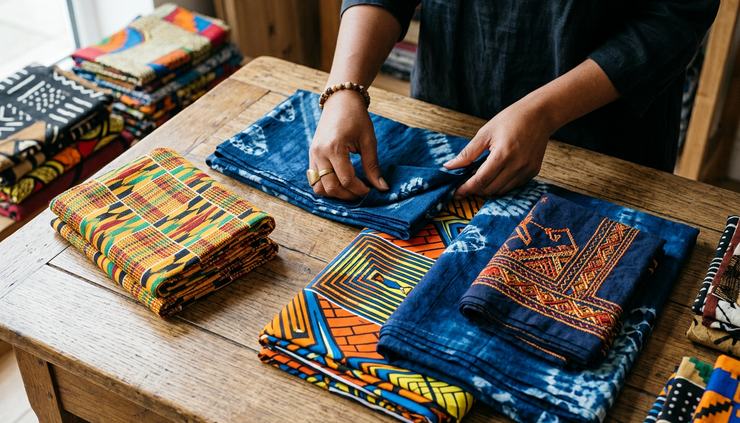
African fashion is often reduced to print, and that misses much of what makes it exciting. Prints matter, of course. Ankara, kente-inspired patterns, adire, bogolanfini and shweshwe carry history and identity. But the current movement is much broader.
Designers are working with:
Handwoven textiles
Beadwork and embroidery
Raffia, leather and cotton
Indigo dyeing
Upcycled materials
Sculptural tailoring
Gender-fluid silhouettes
Streetwear shapes
Eveningwear with local craft details
The result is not one look. African fashion is not a single aesthetic. It includes the clean luxury of Thebe Magugu, the textile-rich tailoring of Kenneth Ize, the joyful prints of Lisa Folawiyo, the knitwear language of MAXHOSA AFRICA, the polished glamour of Christie Brown and the sharp, youth-driven energy of Orange Culture.
Colour carries confidence and meaning
Colour in African fashion is rarely passive. It can signal celebration, status, spirituality, mourning, youth, heritage or rebellion. A bright yellow may carry energy and optimism. Deep indigo may point to craft traditions in West Africa. Red, black and green may evoke Pan-African symbolism. Gold may suggest ceremony, memory or wealth.
What makes the global rise interesting is that designers are using colour with precision. They are not simply making clothes louder. They are using colour to build mood, identity and narrative.
Print is history in motion
Textiles can carry names, proverbs, family stories and political associations. In Ghana, kente cloth has links to Akan royal history and symbolism. In Nigeria, adire connects to Yoruba resist-dye traditions. In South Africa, shweshwe has a long and complex history shaped by trade, colonial contact and local use.
Modern designers do not treat these materials as museum pieces. They cut them into suits, gowns, corsets, wide-leg trousers, bomber jackets and fluid dresses. The work feels current because it is not frozen in nostalgia.
Designers and brands leading the rise
The global boom in African fashion has names behind it. Some are based on the continent. Others work through the diaspora. Together, they show how wide the movement has become.
Thebe Magugu brings South African storytelling to luxury fashion
South African designer Thebe Magugu became the first African designer to win the LVMH Prize for Young Fashion Designers in 2019. His work combines refined tailoring with research into South African history, politics, family and culture.
Magugu’s collections often look calm at first glance, then reveal deeper meaning through print, cut and reference. That balance has helped him gain respect from luxury buyers and critics without flattening his cultural point of view.
His collaboration with Dior on a charity capsule collection also showed how African designers can move within global luxury spaces while keeping their own design language intact.
Kenneth Ize turns weaving into sharp modern tailoring
Nigerian designer Kenneth Ize is known for using aso-oke, a handwoven Yoruba textile, in polished contemporary tailoring. His work gained international attention when Naomi Campbell walked in his Paris show, and he was a finalist for the LVMH Prize in 2019.
Ize’s clothes show one reason African fashion is growing so fast: craft can look modern without losing its roots. His striped woven fabrics feel graphic, fresh and instantly recognisable.
Lisa Folawiyo helped redefine Ankara luxury
Lagos-based designer Lisa Folawiyo has long been associated with elevating Ankara through embellishment, tailoring and playful cuts. Her label helped shift global views of print-heavy African fashion from casual or folkloric to polished and collectible.
Her work also speaks to the confidence of the modern African fashion customer: feminine, sharp, social and global.
MAXHOSA AFRICA makes knitwear a cultural signature
Founded by South African designer Laduma Ngxokolo, MAXHOSA AFRICA is known for knitwear inspired by Xhosa beadwork, symbolism and colour. The brand has built a strong international profile while staying tied to a clear cultural foundation.
Its success proves that African fashion is not only about cotton prints or occasionwear. Knitwear, pattern engineering and luxury retail all belong in the African fashion story.
Orange Culture gives menswear a softer language
Founded by Adebayo Oke-Lawal in Nigeria, Orange Culture has played a major role in expanding African menswear. The brand explores emotion, fluidity, youth culture and self-expression through colour, tailoring and soft silhouettes.
Its international recognition, including early LVMH Prize attention, helped show that African menswear could be sensitive, expressive and commercially strong.
Wales Bonner connects African diaspora, tailoring and sportswear
British designer Grace Wales Bonner, who has Jamaican and British heritage and often engages with Black Atlantic culture, sits within a broader African-diaspora fashion conversation. Her long-running collaboration with Adidas has become one of the clearest examples of how diasporic design references can reach global streetwear audiences.
The Wales Bonner x Adidas Samba releases became highly sought after, proving that cultural storytelling and mass fashion desire can meet without diluting the design.
Christie Brown, Tongoro and Hanifa show the power of direct global reach
Ghanaian brand Christie Brown has built a reputation for elegant womenswear rooted in African aesthetics. Senegalese label Tongoro, founded by Sarah Diouf, gained global attention after being worn by Beyoncé. Hanifa, founded by Anifa Mvuemba, became widely discussed after its 2020 digital runway presentation, which used 3D garment animation at a time when the fashion industry was rethinking shows.
These brands show how African and African-diaspora labels can build recognition through imagery, community and direct-to-consumer sales as much as through traditional fashion channels.
Fashion weeks and collaborations are pushing the movement forward
Runway calendars help turn local scenes into international stories. That is why African fashion weeks matter. They connect designers to editors, stylists, buyers, photographers and global audiences.
Lagos Fashion Week has become one of the continent’s most influential platforms. It regularly showcases Nigerian and African brands working across ready-to-wear, sustainability, craft and luxury. Designers such as Lisa Folawiyo, Orange Culture, Kenneth Ize, Emmy Kasbit and others have benefited from the city’s growing status as a fashion capital.
Dakar Fashion Week, founded by Adama Ndiaye, has helped give Senegal and West Africa a long-running fashion stage. It is known for mixing established designers with emerging talent and for placing African creativity in a strong cultural setting.
South African Fashion Week has played a key role in developing designers and connecting them to retail. South Africa’s fashion scene also benefits from stronger manufacturing networks than many other African markets, even though the sector still faces pressure from imports and rising costs.
On the luxury side, major collaborations have made the trend visible to audiences who may not follow African fashion weeks closely.
Examples include:
Dior and Thebe Magugu
A collaboration that placed a South African designer’s vision inside a major French luxury house conversation.
Dior Cruise 2020 in Marrakech
The show included work with African creatives and textile references, including collaborations linked to wax prints and local craft. It also drew debate about ownership, influence and the need to credit African makers properly.
Wales Bonner and Adidas
A long-running collaboration that brought Afro-diasporic references into one of the world’s most recognisable sportswear items, the Samba.
Beyoncé’s Black Is King visual album
The project featured several African designers and helped bring labels such as Loza Maléombho, Tongoro and others to a huge global audience.
Major museum exhibitions
The Victoria and Albert Museum in London staged Africa Fashion from 2022, one of the most prominent museum shows dedicated to the subject. It brought garments, photography, textiles and archival material into a major cultural institution, helping frame African fashion as historic, intellectual and contemporary.
The strongest evidence of African fashion’s growth is not one number. It is the spread: runways, museums, luxury collaborations, celebrity wardrobes and everyday street style now all reflect its influence.
Cultural significance sits at the heart of the trend
The growth of African fashion would be less meaningful if it were only aesthetic. Its real power comes from the way clothing holds culture.
A garment can speak to migration, family, gender, memory, faith, nationhood and resistance. A designer might use a grandmother’s wrapper as a starting point for a collection. Another might reshape ceremonial fabric into streetwear. Another might challenge colonial dress codes through tailoring.
This cultural depth is why African fashion resonates in a crowded global market. Many consumers are tired of sameness. They want clothes that feel personal and specific. African designers often begin from specificity, then build outwards.
The best work avoids costume
The strongest African fashion does not perform culture for outsiders. It speaks first from within. That distinction matters.
There is a difference between a designer using their own cultural inheritance with care and an outside brand borrowing patterns for surface effect. As African fashion gains visibility, the questions around credit, ownership and payment become more urgent.
Who made the fabric? Who profits from the design? Who gets named in the press? Who owns the archive? These questions shape the next stage of the movement.
Sustainability is part of the story, but not a slogan
Many African fashion systems have long included repair, reuse, made-to-order production and local craft. These practices now align with global concerns about waste in fashion.
Brands such as Studio 189, founded by Abrima Erwiah and Rosario Dawson, have highlighted artisan production and social impact in West Africa. Designers working with deadstock, hand dyeing and small-batch production also contribute to a slower model of fashion.
Still, it would be wrong to romanticise the sector. Designers across the continent face real barriers: limited manufacturing support, expensive logistics, inconsistent access to fabric, copying, weak retail infrastructure and global visa restrictions. Visibility is growing faster than some of the systems needed to support it.
What the rise means for global fashion
African fashion is changing the global style conversation in several clear ways.
It is widening the map of fashion capitals. Paris, Milan, London and New York still matter, but Lagos, Dakar, Johannesburg, Accra and Nairobi can no longer be treated as peripheral.
It is reshaping luxury. Luxury is not only European heritage, quiet logos or inherited houses. It can also be handwoven cloth, beadwork, regional dyeing, precise tailoring and cultural intelligence.
It is challenging old ideas of modernity. For too long, fashion treated Western minimalism as modern and non-Western design as traditional. African designers are showing that heritage can be future-facing.
It is also influencing everyday style. The global popularity of bold suiting, expressive colour, matching sets, headwraps, sculptural jewellery, printed shirts and statement outerwear owes something to African and diasporic style cultures.

The next chapter belongs to ownership
The future of African fashion will not be judged only by how often African references appear on global runways. It will be judged by who controls the story.
The most exciting growth will come when African designers have better access to production, funding, retail partnerships, legal protection and global distribution. Visibility opens the door, but infrastructure keeps it open.
For readers who love fashion, this is the moment to look beyond trend reports and follow the designers directly. Watch Lagos Fashion Week and Dakar Fashion Week coverage. Learn the names behind the garments. Buy from independent labels when possible. Pay attention to textile origins. Treat African fashion not as a seasonal mood, but as a major creative force with many centres, languages and futures.
African fashion is rising because it offers what global fashion often claims to want: originality, craft, beauty, story and point of view. The colours may catch the eye first, but the staying power comes from something deeper. These clothes carry worlds, and the world is finally paying attention.
Comments